Hospitality in Higher Education
Helping students and staff find a sense of belonging on campus is an ongoing issue for institutions of higher learning. Designing space through the lens of relationship-based hospitality can help.
Mar 19, 2026
5 minutes
Colleges and universities face challenges that impact student success and institutional sustainability. Rising mental health needs, faculty and staff burnout, competition from alternative learning programs, and the lack of connection experienced by many commuter students all contribute to this strain.
Together, these challenges put student and employee retention at risk, threatening revenue and the ability to fulfill the educational mission. At their core, these challenges come down to whether people feel welcome, supported, and confident as they move through campus.
The physical environment plays an important role in shaping the experience of students, faculty, and staff and ultimately, a feeling of belonging. Designing campus spaces with this in mind helps institutions better support everyone who learns and works there. We call this hospitality.
When people hear “hospitality,” they might imagine upgraded dorms and dining halls. However, the concept goes much deeper. Research into the origins of hospitality shows that similar notions are embedded in cultures worldwide. At its essence, it’s a relational, place-based practice in which people in shared spaces meet one another’s basic needs. That begins with safety and extends to recognition as individuals, nourishment, and shelter.
Because campuses constantly welcome new people, they practice hospitality every day. Everyone arrives as a guest and depends on others for guidance. Established students, employees, and members of the administration “host” the newcomers in every setting where they interact. With time and supportive environments, newcomers begin to find a sense of belonging. Eventually they feel like locals and act as hosts for the next group. This progression from guest to host is the foundation of belonging in higher education.
Campuses face numerous relational challenges. By enhancing hospitality through the design of the places where people meet, learn, and interact, institutions can address them in a way that’s both powerful and effective.
How to design for hospitality in higher education
Relationship-based hospitality is grounded in three interconnected principles: Protection, Intellectual welcome, and Open table*. Together, these principles help newcomers move from uncertainty to confidence, providing a framework for campus design that supports student success and institutional wellbeing.

Protection: Reducing uncertainty and exposure
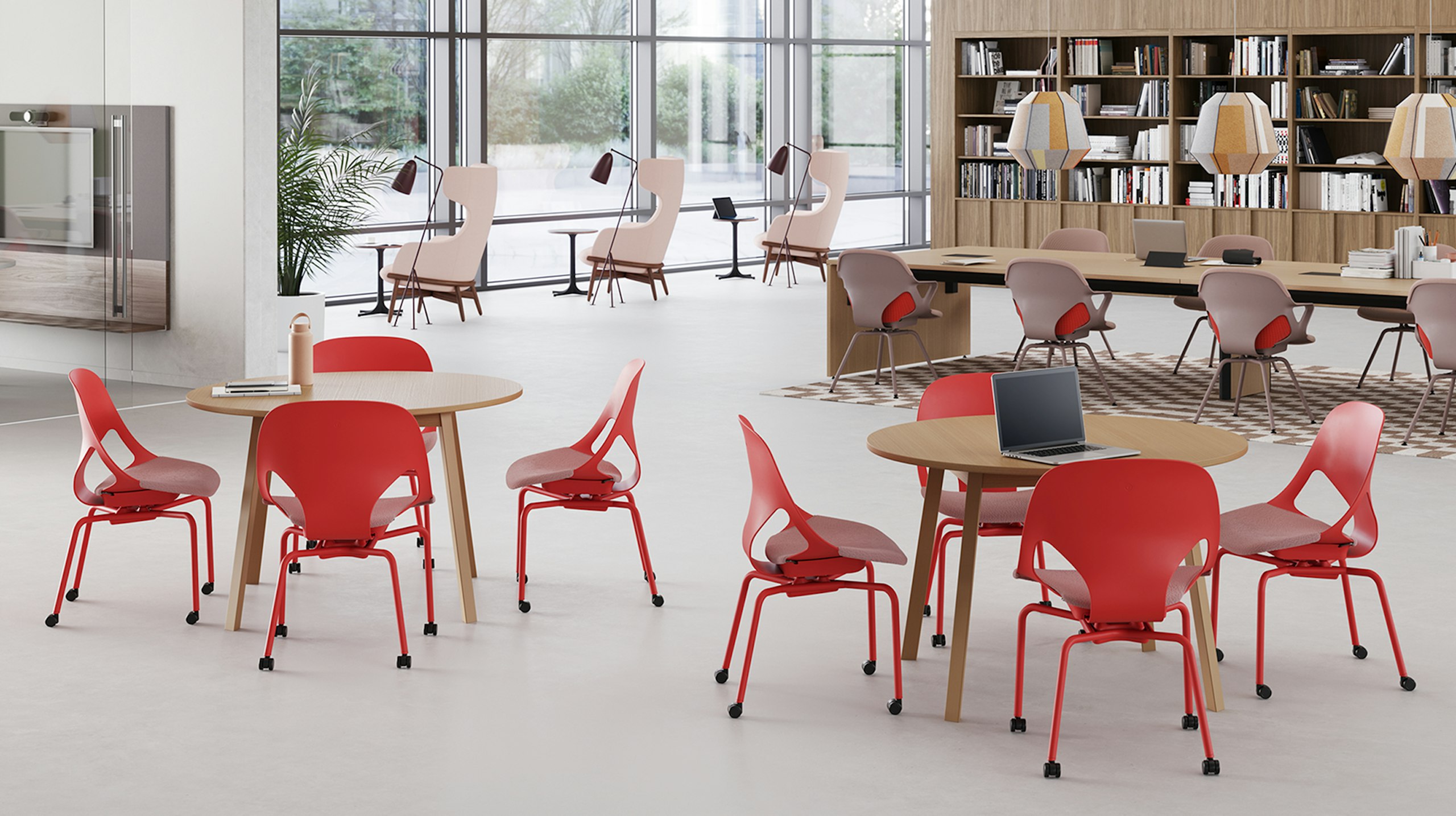
Like tourists in an unfamiliar place, newcomers are inherently vulnerable** and lack the familiarity they need to feel secure. Campuses can meet this need through design and educational furniture that provides:
Physical safety and security with visual transparency, intuitive wayfinding, and clear sightlines.
Psychological protection shaped by trauma-informed design, supporting sensitive conversations and hierarchy-free interactions.
Respite and recovery spaces that cater to personal preferences, with options including privacy, views to nature, and controllable lighting and temperature.
Territory and ownership that give people a place of their own–whether a personalizable room, a reliable study spot, or secure storage for commuters.
Intellectual welcome: Encouraging a sense of belonging
The notion of intellectual welcome appears in spaces that help people share who they are and learn from others. Key elements include:
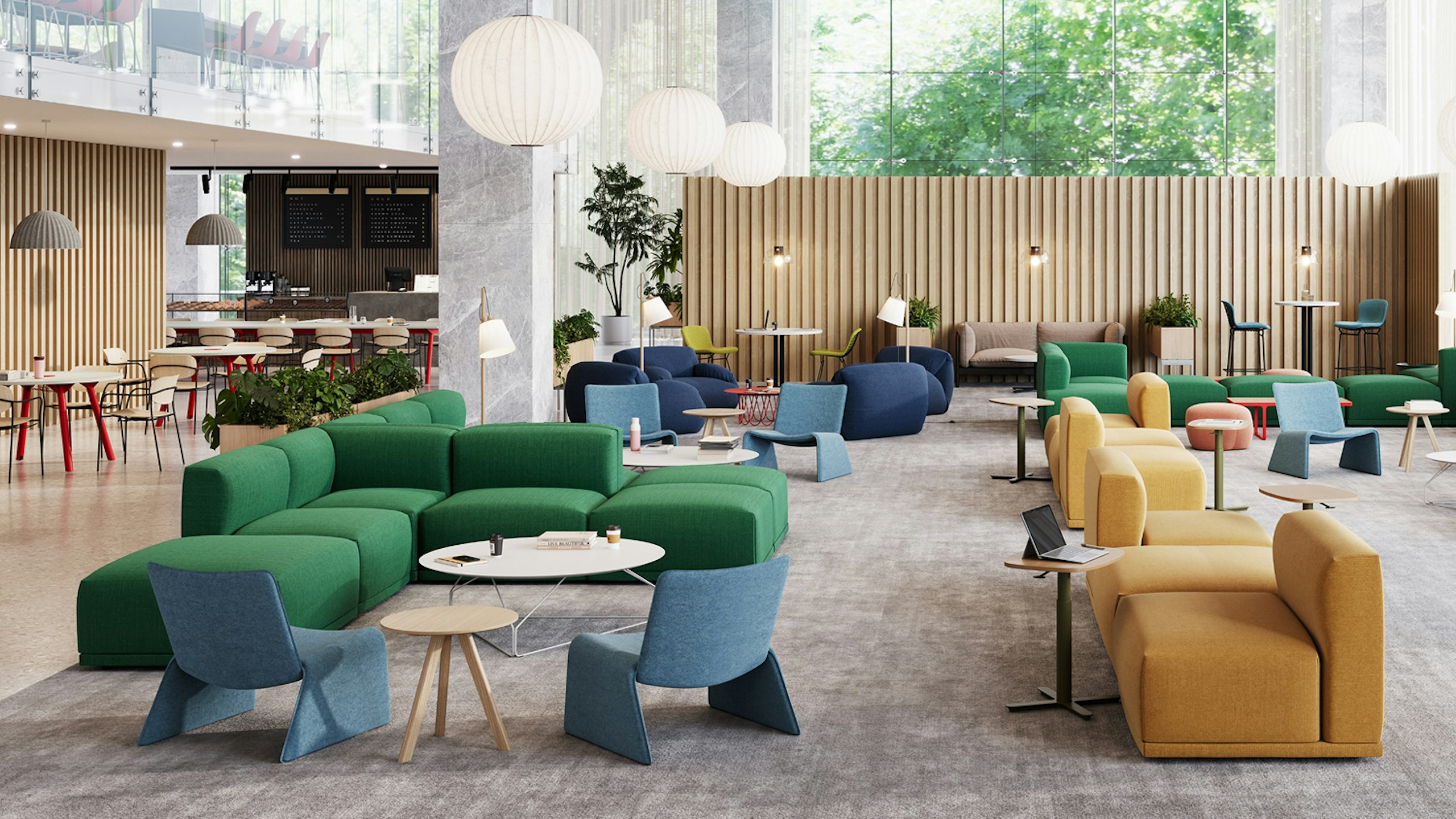
Micro-territories such as approachable faculty offices, student-led spaces, and flexible zones that any group can claim.
Exchange of ideas supported by layouts that adapt to cultural norms around collaboration, presentation, and privacy.
Cross-disciplinary spaces where unexpected connections can occur.
Inclusive design that respects the diverse cultural, social, and spiritual practices students and faculty bring to campus–including how they gather, celebrate, eat, and observe traditions.
Sensory design, such as lighting control, acoustic options, quiet and collaborative zones, and movement-friendly seating.
Open table: Supporting organic interaction
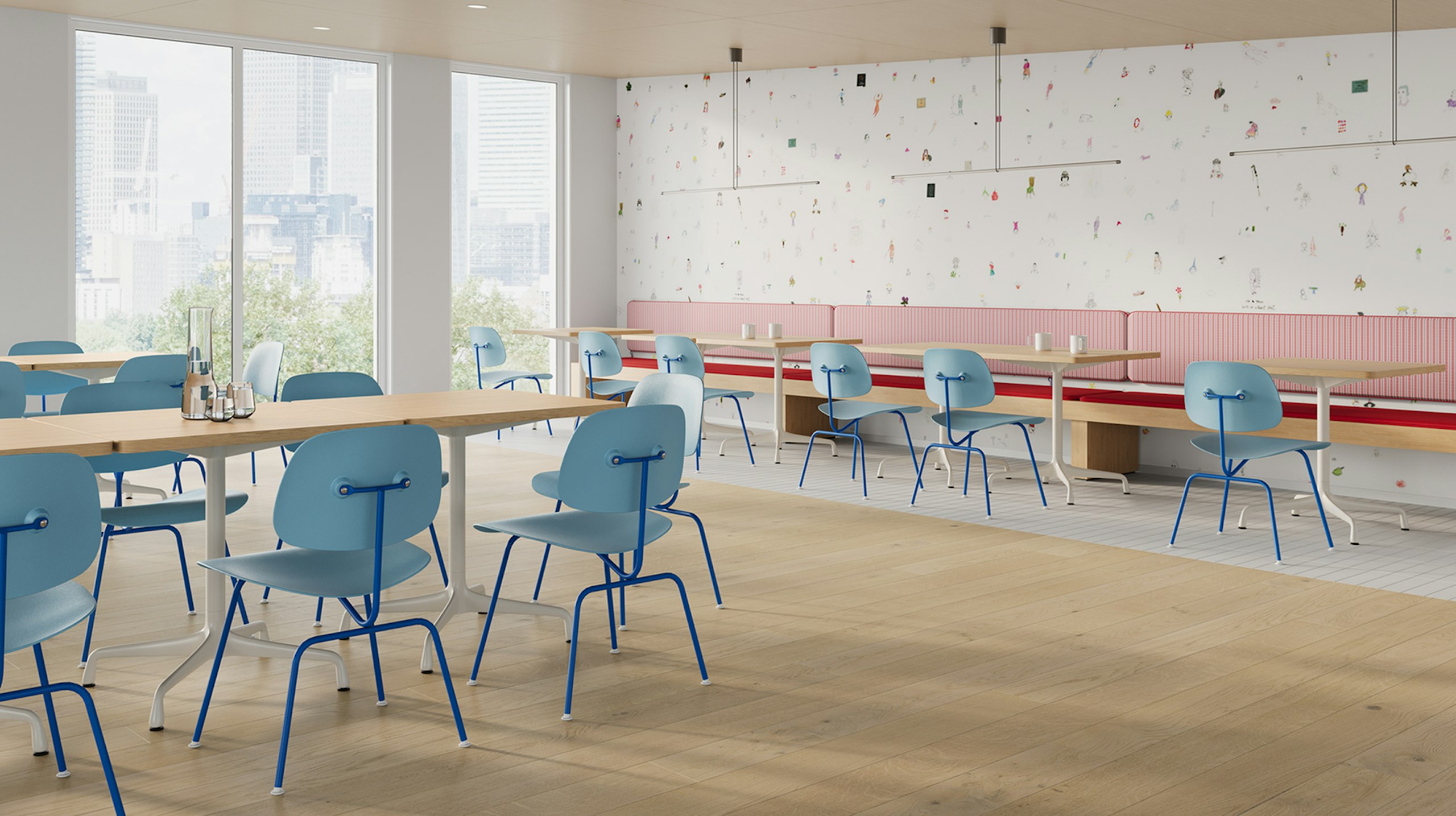
Rooted in the universal act of sharing meals at a common table, this concept extends beyond dining into any space where people gather and connect, including:
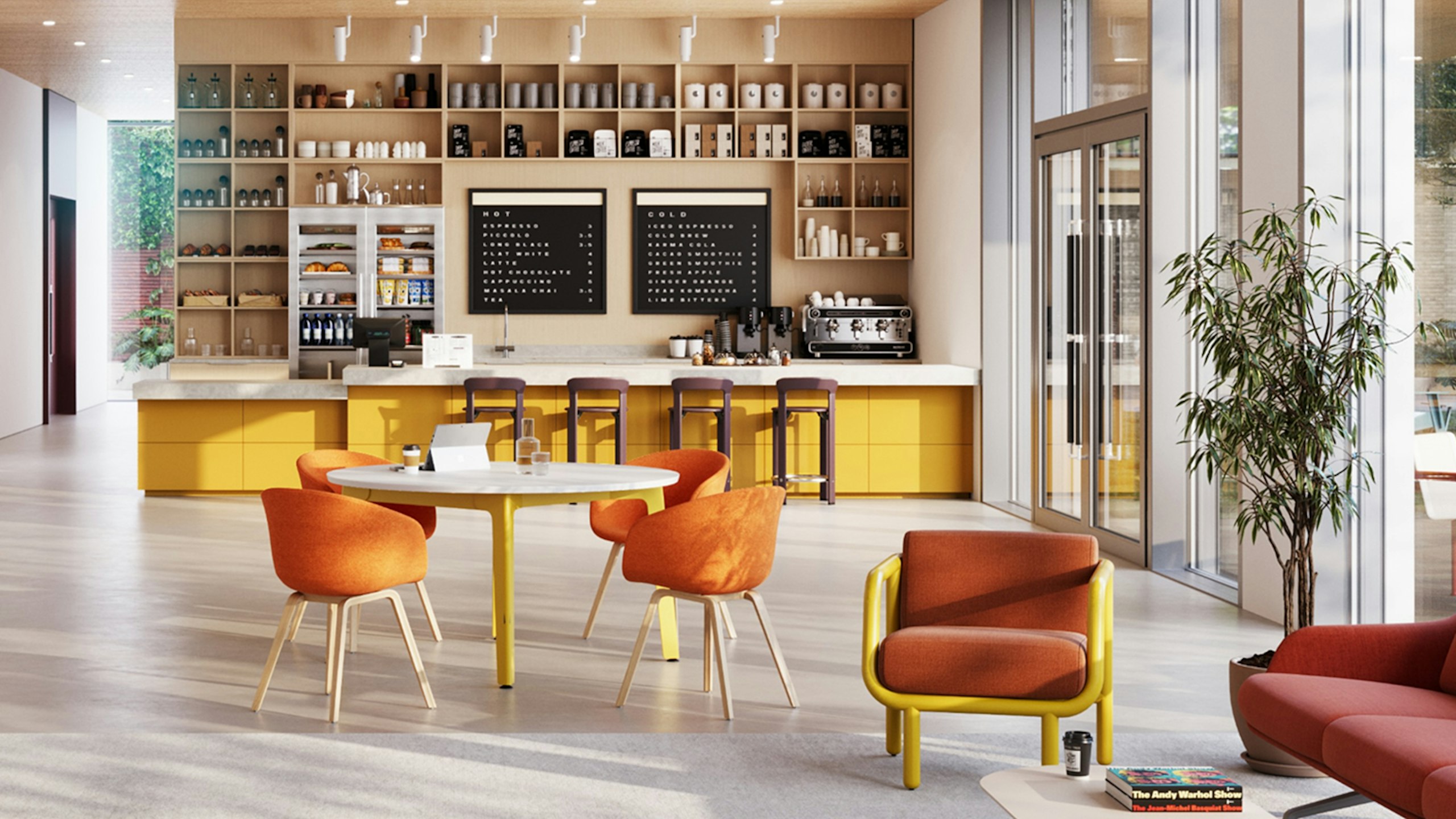
Literal table fellowship where everyone eats together at the same level, reducing hierarchy and encouraging ease.
Community gatherings such as performances, exhibitions, pep rallies, or informal outdoor gatherings.
Design for “sobremesa,” or lingering conversation, encouraging people to stay, connect, and participate without feeling rushed.
How can hospitality improve education outcomes?
From classrooms and study halls to dorms, faculty offices, student lounges, libraries, dining areas, and athletic spaces, every place on campus offers an opportunity to support our human needs for safety, welcome, and connection.
By designing campuses with a human-centered, research-based approach to hospitality, institutions can create environments where people move from guest to host, and from uncertainty to confidence. At MillerKnoll, we translate these insights into strategies and furniture for higher education applications that support wellbeing, strengthen retention, and create a more connected campus culture where everyone can feel that they belong.
Applications

3-point recap
Hospitality in higher education goes beyond food, drink, and accommodation.
It’s about the host recognizing and responding to the guest’s basic human needs.
Campuses can use design informed by relationship-based hospitality to better support students and employees, addressing common institutional challenges.
Sources
*Jayme Reaves. Safeguarding the Stranger: An Abrahamic Theology and Ethic of Protective Hospitality (The Lutterworth Press, 2016)
** Buhalis, D., Harwood, T., Bogicevic, V., Viglia, G., Beldona, S., & Hofacker, C. (2019). Technological disruptions in Services: lessons from Tourism and Hospitality. Journal of Service Management, 30(4), 484–506. doi: 10.1108/josm-12-2018-0398
Start a Conversation
Answer a few basic questions to start a conversation about how we can help with your next project.

Hungry for more?
Find more ways MillerKnoll helps shape education spaces.